


Beginner's Guide to Fermented Foods for Gut Health: Sauerkraut, Kefir and Kimchi
A practical guide to making sauerkraut, milk kefir and kimchi at home, covering hygiene, salt ratios, fermentation times and how to fix common problems.
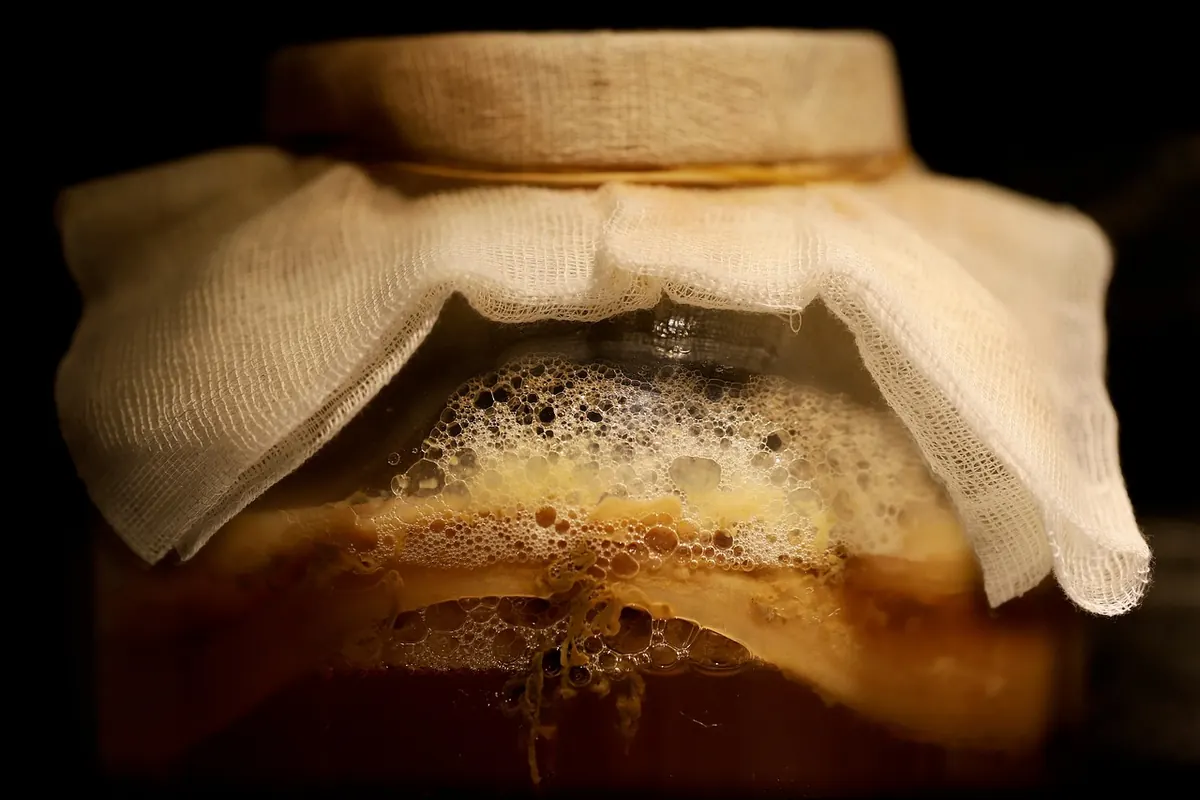
Two jars sit on the worktop. One holds shredded cabbage and a little salt; the other holds milk and a spoonful of translucent grains. Neither looks especially promising on day one. A week later, the cabbage is sharp and fizzy, the milk has turned thick and sour, and you have made something from almost nothing. That is the quiet appeal of fermenting at home: it costs pennies, needs no special equipment, and puts live cultures on your plate several times a week.
Sauerkraut, milk kefir and kimchi are the three best places to begin. Each teaches a slightly different skill, and each is forgiving once you understand the basics.
What Fermentation Does (and Doesn't Do)
Fermentation is controlled decay. Salt, acidity or a lack of oxygen lets helpful bacteria and yeasts get established before anything unwanted can. In sauerkraut and kimchi, salt draws water from the vegetables and creates a brine that lactic acid bacteria thrive in. In kefir, the grains are a living community of bacteria and yeasts that sour milk within a day.
What you get is food that tastes brighter, keeps longer and delivers live cultures. What you should not expect is a cure. Fermented foods can support a varied diet rich in fibre and plants, but if you have a health condition, are pregnant, or take regular medication, speak to your GP or a registered dietitian before making them a daily habit.
Equipment, Hygiene and Salt
You do not need a fermenting crock or a temperature-controlled cupboard. You do need clean kit and clean hands. Wash jars, weights and utensils in hot soapy water, or run them through a hot dishwasher cycle, and dry them properly. That is enough for vegetable ferments; you are not canning jam.
- Jars: glass, wide-mouthed, with a lid that fits. Kilner-style jars with a rubber seal are ideal.
- Weights: a smaller jar filled with water, a clean boiled stone, or a cabbage leaf tucked under the brine.
- Salt: non-iodised fine sea salt or pickling salt. Iodine can inhibit fermentation and anti-caking agents cloud the brine.
- Water: if your tap water is heavily chlorinated, boil it and let it cool before making brine.
- Metal: avoid aluminium and bare cast iron; glass, ceramic, plastic and stainless steel are all fine.
For vegetable ferments, weigh your salt rather than guessing. Two per cent of the weight of the vegetables is the standard starting point: 20g of salt for every 1kg of shredded cabbage.
Sauerkraut: The Reliable First Project
- Remove the outer leaves of a firm white cabbage, quarter it, cut out the core and shred thinly. Weigh the shreds.
- Add 2% salt by weight. Massage for five to ten minutes until the cabbage wilts and a pool of brine forms.
- Pack it tightly into a jar a handful at a time, pressing down so the brine rises above the cabbage. Leave 3–4cm of headspace.
- Weigh the cabbage down. Everything must stay under the liquid.
- Cover loosely, or fit an airlock. Leave at 18–22°C, out of direct sun, and press the cabbage down daily for the first few days.
- Taste from day five. Most people like it between one and four weeks. Move it to the fridge when it tastes right; it will keep for months.
Add caraway seeds, juniper berries or grated apple if you like, but make your first batch plain so you know what the base tastes like.
Milk Kefir: The Lowest-Effort Option
Kefir needs live grains, which you can buy dried or, better, get from a friend — they multiply, so anyone making kefir has spares. Put one tablespoon of grains in a clean jar with 250–500ml of whole milk, cover it loosely and leave it at room temperature for 18–24 hours. Strain through a plastic sieve into a jug, shake, and drink. The grains go straight into the next batch of milk.
Expect a thin, pourable yoghurt with a tart, slightly yeasty flavour. On warm days it may separate into curds and whey; that is normal, just shake it. If you want a break, cover the grains in milk and refrigerate for up to a week, then refresh the milk. Water kefir works the same way with sugar water and follows a similar rhythm.
Kimchi: Bigger Flavour, Slightly More Fuss
Kimchi uses the same lactic acid process as sauerkraut but adds a paste, which means more ingredients and a shorter, faster ferment. Cut a napa cabbage (or two small Chinese leaves) into bite-sized pieces, salt generously with roughly 2% salt by weight and leave for two hours, turning once. Rinse well and drain.
The paste
Mix 4 tablespoons of Korean chilli flakes (gochugaru), 4 cloves of crushed garlic, a thumb of grated ginger, 2 tablespoons of fish sauce or soy sauce, a teaspoon of sugar and a tablespoon of rice flour cooked with water into a thin porridge, cooled. Add spring onions and matchsticks of daikon or carrot.
Wear gloves, massage the paste through the drained cabbage, and pack it into jars with the same rule as sauerkraut: keep everything below the liquid. Leave at room temperature for one to five days, pressing down daily, then refrigerate. It will continue to sour slowly, and many people prefer it after a fortnight.
Timing, Tasting and Troubleshooting
Temperature is the main variable. Warm kitchens ferment faster and softer; cool ones are slower and crisper. Trust your nose and your tongue more than the calendar.
- A white film on top: usually kahm yeast, harmless but dull-tasting. Skim it off, check the salt level and keep the vegetables submerged.
- Fuzzy or coloured mould: green, blue, black or pink growth means discard the batch. Do not scrape it off.
- Soft, slimy vegetables: too warm, too little salt, or vegetables poking above the brine. Chill the next batch and pack more tightly.
- Nothing happening: the room is too cold, or the salt was too heavy. Move the jar somewhere warmer and wait.
- A rotten or sewage smell: bin it. Sour, cabbagey and vinegar-sharp are good; putrid is not.
- Too salty: rinse before eating, or use it as a condiment rather than a side dish.
Burp jars with clamp lids every day or two for the first week to release carbon dioxide, and always use a clean fork to fish out what you need.
Start With One Jar
Pick a single project this week. A jar of sauerkraut takes twenty minutes and needs no shopping beyond a cabbage and some salt. Label it with the date, tuck it somewhere you will see it, and taste it every few days. Once you have one success behind you, kefir and kimchi will feel obvious rather than daunting — and you will have a fridge shelf that quietly gets better with age.
Photo: Nennieinszweidrei / Pixabay