

Seasonal UK Superfoods: What to Eat in Autumn for Immune Support
A practical guide to British autumn produce — greens, roots, orchard fruit, nuts and mushrooms — with simple ways to cook them for seasonal nourishment and immune support.
The first proper cold snap arrives and the vegetable aisle quietly changes shape. Out go the thin, imported beans; in come the dense roots, dark greens and orchard fruit that actually taste of something. Eating with the British seasons is less a philosophy than a shortcut: produce picked close to ripeness tends to taste better, costs less, and gives you a reason to cook differently when the evenings draw in. No single food will stop you catching a cold, but a varied, plant-rich diet supplies the vitamin C, zinc, folate and fibre your body needs to keep functioning normally through the darker months.
What "in season" really means in autumn
Seasonality is looser than the labels suggest. British apples run from late August into November and store well beyond that. Brussels sprouts start in October and are generally better after a frost. Leeks, kale and parsnips will sit in the ground until you want them, which is why they turn up cheaply all winter.
Some things sold as autumn produce are mostly imported — cranberries, for instance. That is not a problem, but it is worth knowing if eating locally matters to you. Check the label for country of origin rather than assuming.
The practical test is simple: look at what is piled high and priced low, then build two or three meals around it. A glut is usually a bargain, and a bargain is usually in season.
Greens worth building a meal around
October and November are arguably the best months of the year for British greens. Kale, cavolo nero, savoy cabbage, spring greens, watercress and leeks are all at their best, and they are among the more reliable sources of vitamin C in a winter kitchen — a nutrient that contributes to the normal function of the immune system. They also bring folate, vitamin K and plenty of fibre.
A few methods that make them worth eating rather than tolerating:
- Kale crisps: tear leaves off the stalks, drizzle with oil, add salt and rub for thirty seconds until glossy. Roast at 200°C for 12–15 minutes, checking halfway.
- Cavolo nero: strip the stalks, shred the leaves, then wilt in olive oil with garlic and a pinch of chilli. Finish with lemon, not vinegar.
- Sprouts: halve them, toss in oil, and roast cut-side down at 200°C for 20–25 minutes. Or shred them raw with apple and toasted hazelnuts for a sharp winter slaw.
- Leeks: slice, rinse well to shift the grit, then sweat gently in butter for ten minutes before adding to soup, mash or a pie.
If greens often go yellow in your fridge, cook them the day you buy them and keep the finished dish, not the raw vegetable, ready to reheat.
Roots, squash and slow cooking
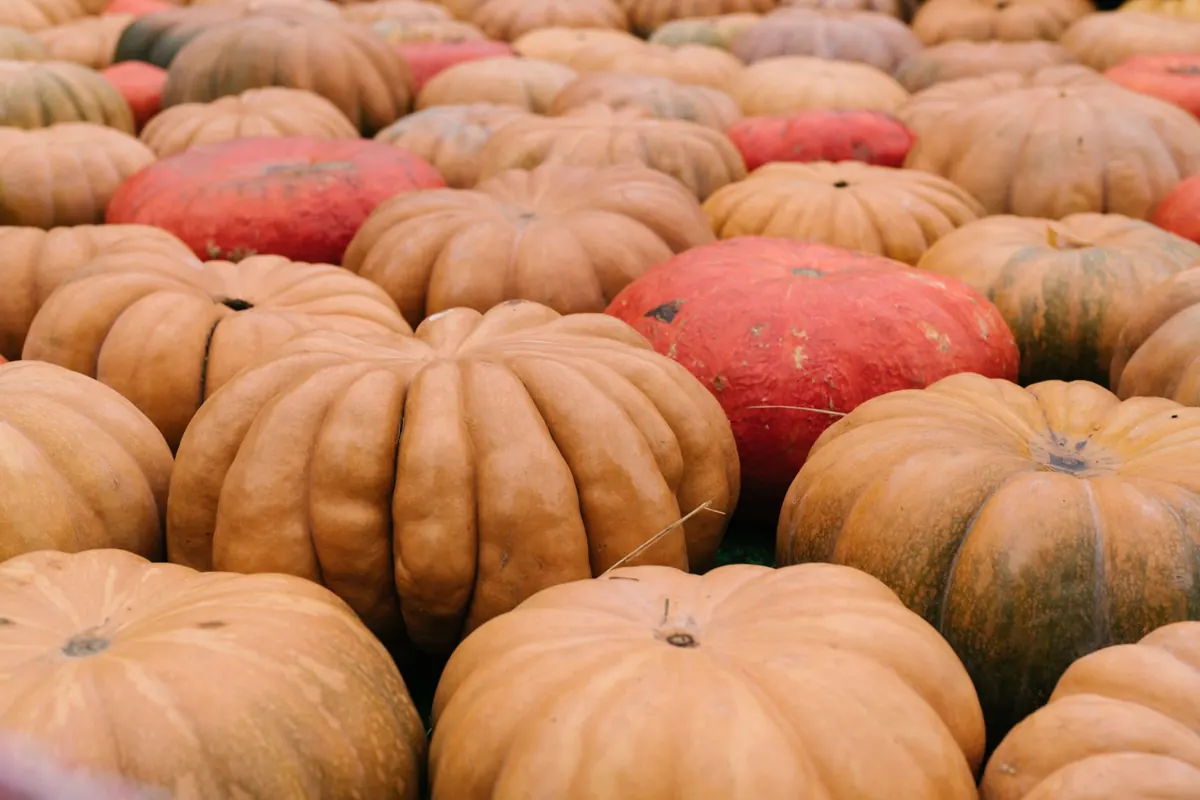
Beetroot, carrots, parsnips, celeriac, swede and squash are the backbone of autumn cooking. They keep for weeks, roast beautifully and carry the sort of flavours — cumin, thyme, orange zest, mustard — that suit cold evenings. Carrots and squash also supply carotenoids, which the body converts to vitamin A as needed.
The easiest habit to adopt is the roast tray. Chop a mix of roots into roughly equal chunks, toss with oil, salt and a spice, and roast at 200°C for 35–45 minutes, turning once. Add a tin of chickpeas for the last fifteen minutes and you have dinner with leftovers for lunch.
A few specifics worth knowing. Whole beetroot, wrapped in foil, needs 50–60 minutes and slips its skin off under cold running water. Celeriac is far better raw than people expect — grate it with lemon juice and a spoon of yoghurt for an instant remoulade. And a parsnip soup with one stewed apple in it tastes sweeter and more savoury than either ingredient alone.
Orchard and hedgerow fruit
Apples and pears are the obvious autumn fruit, but blackberries, damsons, sloes, quince, rosehips and elderberries are all around if you know where to look. Blackberries and rosehips are both notably high in vitamin C, which is one reason rosehip syrup has been a traditional winter preparation for generations.
Two cautions. Elderberries must be cooked — raw berries and stems can cause nausea, so strip them from the stalks and simmer before using. And forage only what you can identify with complete certainty, away from busy roadsides and anywhere that may have been sprayed, with the landowner's permission.
In the kitchen, keep it unfussy. Stewed apple over porridge. Pears poached with star anise and a strip of lemon peel. A blackberry and apple crumble with half the sugar you would normally use — the fruit is doing the work. Freeze surplus berries on a tray first, then bag them, so they stay loose rather than forming one solid lump.
Nuts, seeds and mushrooms
Chestnuts, hazelnuts and walnuts add zinc, vitamin E and useful fats to autumn plates, and pumpkin seeds are free if you are carving a pumpkin — rinse them, toss with oil and salt, and roast at 160°C for 15–20 minutes until they pop.
Mushrooms deserve a mention too. Some are treated with ultraviolet light to raise their vitamin D content, so check the label if that matters to you. As for wild mushrooms, the sensible rule is to buy from a reputable supplier unless you genuinely know your species. The consequences of getting it wrong are not worth the saving.
Putting it together: two lists for the week
Keep the following in the house and most autumn meals will assemble themselves:
- A large bag of kale or cavolo nero
- One squash or small pumpkin, cut into wedges
- Carrots, parsnips and beetroot, unpeeled
- Two leeks
- Apples for cooking, pears for eating
- Frozen blackberries or a punnet of fresh ones
- Walnuts or pumpkin seeds
- A tin of white beans or chickpeas
Then pick three meals and repeat them without guilt:
- A roast tray of roots with sausages, halloumi or chickpeas
- A kale and white bean soup, finished with lemon and olive oil
- Baked apples or a crumble, made with less sugar than the recipe says
Build a rhythm, not a rule
Seasonal eating works best when it is ordinary rather than aspirational. Buy what is cheap and plentiful, cook more than you need, and let the leftovers carry you through a Tuesday. Alongside that, the basics do more for winter wellbeing than any single ingredient: enough sleep, regular movement, washing your hands properly, and a varied diet with plenty of plants in it.
One supplement is worth mentioning. In the UK, the NHS advises considering a daily vitamin D supplement of 10 micrograms during autumn and winter, when sunlight is too weak for the skin to make it. If you are pregnant, breastfeeding, taking regular medication or managing a health condition, speak to your GP or pharmacist before adding supplements — and if you are worried about recurring infections or persistent tiredness, get proper advice rather than trying to eat your way out of it.
Start with one thing this week. Roast a tray of roots, or cook a pan of soup on Sunday. Small, repeatable habits are what carry you through to spring.
Photo: ArtHouse Studio / Pexels