

Common Mistakes When Using Honey in Hot Drinks (and How to Avoid Them)
Hot water, wet spoons and the wrong honey can all flatten a good cup. Here are the small temperature and stirring fixes that protect flavour and texture.
Honey in a hot drink sounds like the simplest thing in the world: spoon, mug, stir. Yet it is easy to end up with something that tastes thin, vaguely sweet and nothing like the honey in the jar. Usually the fault is not the honey itself but the heat, the timing, or a small habit picked up along the way. Here are the mistakes worth knowing about, and the fixes that take seconds.
Mistake one: adding honey to water that is still too hot
Boiling water is for brewing tea, not for honey. The aromatic compounds that give each honey its character — floral, woody, citrus, dried fruit — are volatile. Tip honey into a mug straight after the kettle has boiled and much of that fragrance leaves in the steam. What stays behind is sweetness, which is why hot honey drinks can taste disappointing even when the honey is excellent.
Heat also changes the texture. In a very hot drink, honey dissolves instantly into a thin, uniform syrup, losing the slight body and lingering finish you get when it is stirred into a drink at a temperature you could actually sip.
A temperature test that needs no thermometer
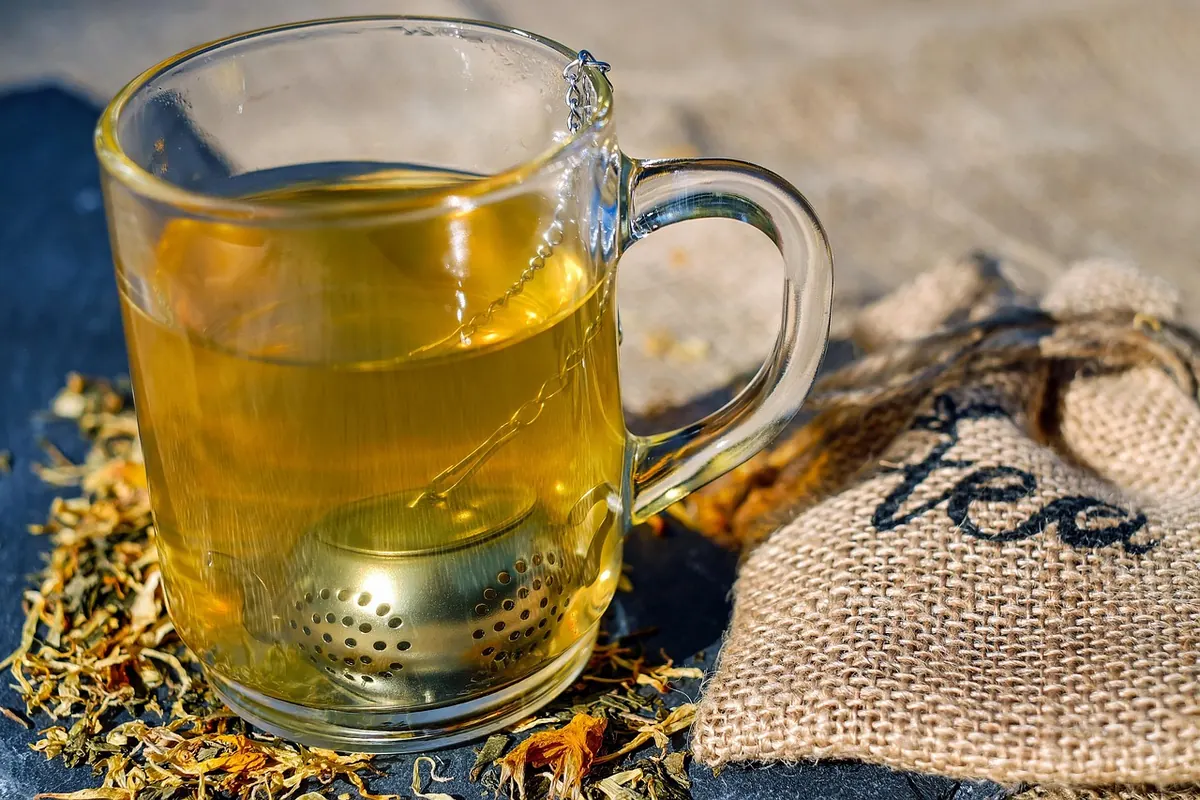
Brew the tea first, remove the bag or leaves, and wait. Black tea needs a few minutes to settle; green and herbal infusions are usually brewed cooler to begin with. A good marker: the drink should be hot enough to sip slowly without flinching. Add the honey after that point, not before.
- Best: stir honey in once the drink has cooled to roughly 60°C or below.
- Fine: add it when you can hold the mug comfortably in both hands.
- Avoid: adding it to a mug that is still steaming hard, or to water poured straight from a just-boiled kettle.
If you have already added it too early, do not stir harder. Let the drink cool and finish with a small extra drizzle of honey. That second addition carries the aroma the first one lost.
The metal spoon myth, and the habit that does matter
You may have read that a metal spoon ruins honey. With a stainless steel teaspoon and a mug of tea, it is not worth worrying about; use whichever clean spoon reaches the bottom of the mug. The habit that genuinely causes problems is the wet spoon.
Water in the jar is the one thing that can change the honey itself. Honey is naturally low in moisture, and that is part of what keeps it stable. A spoon that has just been in tea, or a finger dipped in for a taste, adds water to the surface of the jar. Over months that can encourage fermentation, a looser texture and a sour, yeasty edge. Keep a dry spoon for the jar, and if you want to taste as you go, pour the honey onto the spoon over the mug rather than returning a wet spoon to the jar.
Using the wrong honey — or simply too much of it
Honeys are not interchangeable. A delicate acacia or clover honey disappears in a strong cup of builder's tea, while a dark, robust honey can overwhelm a light green tea or a chamomile infusion. Match them:
- Black tea: a fuller-flavoured honey such as heather, chestnut or a dark wildflower stands up to the tannins.
- Green, white or herbal teas: lighter, floral honeys — acacia, borage, orange blossom.
- Hot lemon: something soft and floral, or a mild wildflower honey, so it complements the sharpness instead of fighting it.
Quantity matters just as much. A heaped tablespoon in a standard mug does not make the drink twice as good; it flattens the tea and leaves a syrupy aftertaste. Start with half a teaspoon, stir, taste, then add a little more. The sweet spot is usually smaller than people expect, particularly with a strongly flavoured honey.
Crystallised honey and the microwave shortcut
Crystallisation is not spoilage and it is not a sign of a bad jar. Most honey will set eventually, some varieties within weeks. It is glucose coming out of solution, and it happens faster in cool kitchens. The crystals dissolve perfectly well in a hot drink — they simply need a bit more stirring.
What harms honey is heat applied directly to the jar. Microwaving heats unevenly and can scorch the honey around the edges while the middle stays solid. To loosen a set jar:
- Take the lid off and stand the jar in a bowl of warm — not boiling — water.
- Leave it for ten to fifteen minutes, stirring with a dry spoon now and then.
- Repeat with fresh warm water if it is still stubborn. Slow is fine; the aim is runny honey, not hot honey.
- Dry the jar and replace the lid once it has cooled.
Store honey in a cupboard, away from the hob, radiator and direct sunlight. The fridge will only speed up crystallisation.
The hot lemon habit worth changing
Hot water with lemon and honey is one of the most common ways to use honey, and one of the easiest to spoil. Two things tend to go wrong. The lemon goes into boiling water, which makes the drink harsh rather than bright, and the honey follows immediately into water that is far too hot.
Better order: squeeze the lemon into the mug, pour in water that has cooled for a few minutes, then add honey last, once the drink is cool enough to hold. If you want more punch, use more lemon rather than more honey. A slice of fresh ginger or a few mint leaves added with the lemon gives depth without extra sugar.
Bitter lemon and dull honey usually point to the same thing: the water was too hot when the ingredients went in.
A note on health: honey is a sugar, and a hot lemon drink is a comfort rather than a treatment. Honey should not be given to babies under twelve months old, because of the risk of infant botulism. If you are managing a condition such as diabetes, or you are pregnant, ask your GP or a registered dietitian how honey fits into your diet rather than relying on general advice.
A simple routine for better honey drinks
Brew the tea, wait, then sweeten. Use a dry spoon for the jar and a clean one for the mug. Start with half a teaspoon and taste before adding more. Pair light honeys with light drinks and dark honeys with strong ones. Keep the jar in a cupboard, and loosen a set jar in warm water rather than the microwave.
None of that takes longer than making the drink in the first place. What changes is the result: honey that tastes like the honey you bought, a cup that stays interesting to the last mouthful, and a jar that keeps its character for months.
Photo: Couleur / Pixabay